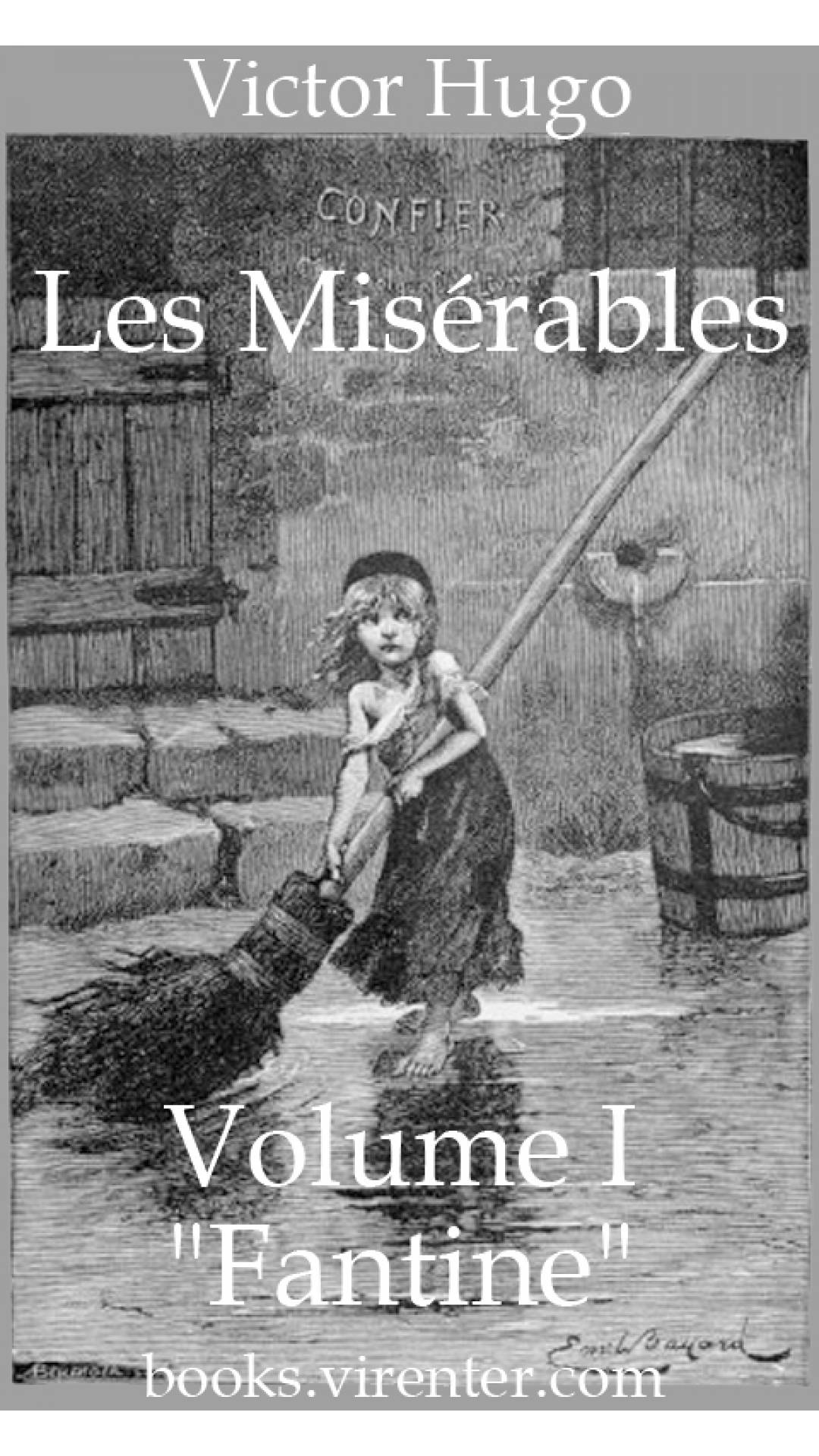
Les Misérables, Volume I (Fantine) by Victor Hugo: A Powerful Beginning to a Timeless Historical Epic
Introduction
Les Misérables, Volume I: Fantine is the opening volume of Victor Hugo's monumental novel, first published in 1862. This unforgettable introduction establishes the moral, historical, and emotional foundations of one of the greatest works in world literature. Set in post-Napoleonic France, the novel combines historical realism with profound social commentary, exploring justice, compassion, and the resilience of the human spirit.
Historical Background
The first volume is set during the early decades of the nineteenth century, a period of political transition and social inequality in France following the fall of Napoleon. Hugo vividly portrays everyday life under the Restoration, illustrating the hardships faced by ordinary citizens and the rigid social structures that shaped their destinies.
Although centered on fictional characters, Fantine is deeply rooted in historical reality. Hugo's detailed descriptions of French society, legal institutions, and economic conditions make the novel an enduring portrait of the era while providing valuable insight into the country's social history.
Story Overview
The narrative introduces Jean Valjean, whose life is transformed by an extraordinary act of mercy that inspires him to seek redemption and build a new future. At the same time, the story follows Fantine, a young woman whose struggles reveal the harsh realities faced by the vulnerable members of society.
As their lives unfold against the backdrop of nineteenth-century France, Hugo weaves together themes of personal transformation, sacrifice, and moral responsibility. The first volume lays the groundwork for the larger epic while introducing many of the central ideas that define the complete novel.
Major Themes
Fantine explores timeless themes including justice, redemption, poverty, compassion, social inequality, and human dignity. Hugo examines the consequences of prejudice and institutional injustice while emphasizing the power of kindness and forgiveness to transform individual lives.
The novel also reflects on the responsibilities of society toward its most vulnerable members, presenting a powerful critique of poverty and exclusion that continues to resonate with modern readers.
Literary Significance
The first volume of Les Misérables is widely regarded as one of the finest introductions to any nineteenth-century novel. Hugo's combination of historical realism, memorable characters, philosophical reflection, and emotional depth established a new standard for historical and social fiction.
As part of a public domain masterpiece, Fantine continues to be read, studied, and adapted throughout the world. Its exploration of morality, justice, and compassion remains as compelling today as when it was first published.
Conclusion
Les Misérables, Volume I: Fantine is a remarkable opening to Victor Hugo's epic masterpiece, blending historical authenticity with profound human drama. Through unforgettable characters and timeless themes, the novel invites readers into a richly imagined world where hope, mercy, and moral courage triumph over adversity, establishing the foundation for one of literature's greatest journeys.