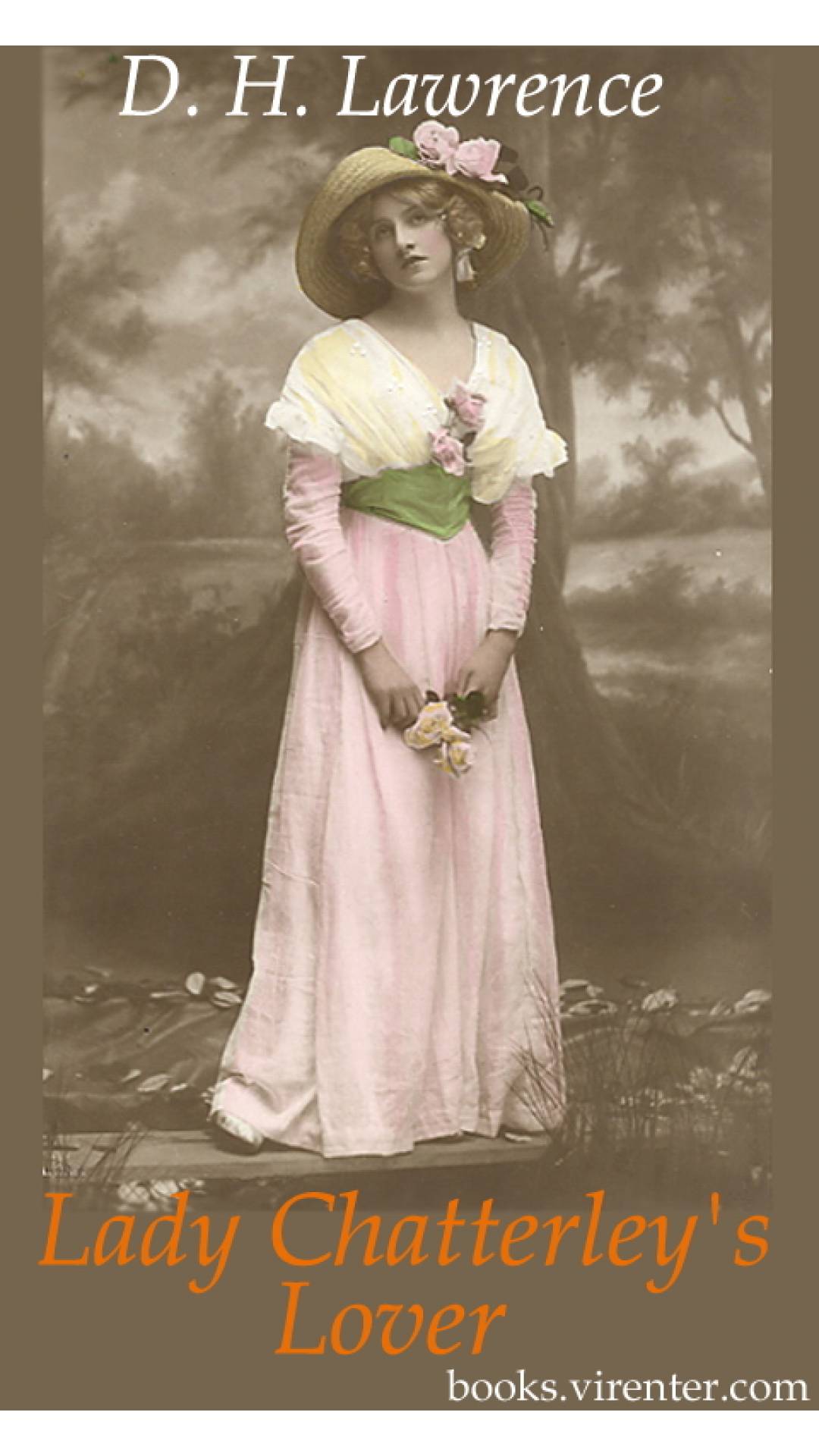
Lady Chatterley's Lover by D. H. Lawrence: A Classic Novel of Love, Nature, and Human Connection
Introduction
Lady Chatterley's Lover is one of the most celebrated novels by D. H. Lawrence, first published privately in 1928. Renowned for its lyrical prose, psychological depth, and exploration of human relationships, the novel examines love, class, and emotional fulfillment while challenging many of the social conventions of its time. Today, it is recognized as a landmark of twentieth-century literature.
Historical Background
Set in post-First World War England, Lady Chatterley's Lover reflects a society shaped by industrialization, changing social structures, and the lingering effects of war. Lawrence contrasts the mechanical nature of modern industrial life with the restorative beauty of the English countryside, highlighting tensions between progress and tradition.
Upon its publication, the novel generated widespread controversy because of its frank treatment of intimacy and relationships. Over time, however, it came to be valued not for its notoriety but for its thoughtful examination of emotional authenticity, personal freedom, and the search for meaningful human connection.
Story Overview
The novel follows Lady Constance Chatterley, whose marriage leaves her emotionally unfulfilled despite the privileges of aristocratic life. As she seeks greater purpose and understanding, she encounters experiences that challenge her assumptions about love, identity, and happiness.
Through the relationships that develop during the story, Lawrence explores the contrast between social expectations and genuine emotional experience. Rather than focusing on external action, the narrative emphasizes personal growth, self-discovery, and the complex interactions between individuals and the natural world.
Major Themes
Lady Chatterley's Lover explores themes of love, emotional intimacy, class division, personal freedom, nature, and the relationship between body and mind. Lawrence suggests that genuine fulfillment arises from sincerity, compassion, and authentic human connection rather than wealth or social status.
The novel also examines the effects of industrial society on both individuals and communities. Through vivid descriptions of the countryside, Lawrence presents nature as a source of renewal and balance, contrasting it with the increasingly mechanized world of modern civilization.
Literary Significance
Lady Chatterley's Lover is widely regarded as one of D. H. Lawrence's greatest achievements and a defining work of modernist literature. Its nuanced psychological characterization, poetic language, and philosophical reflections have secured its place among the most influential English novels of the twentieth century.
Beyond its historical controversy, the novel continues to be studied for its exploration of social change, emotional honesty, and the enduring relationship between humanity and nature. Its influence can be seen across modern fiction, literary criticism, and cultural history.
Conclusion
Lady Chatterley's Lover remains a powerful and thought-provoking classic that combines literary artistry with profound reflections on love, identity, and the human spirit. Rich in psychological insight and beautifully written, this public domain masterpiece continues to captivate readers as one of the most significant works in British and world literature.