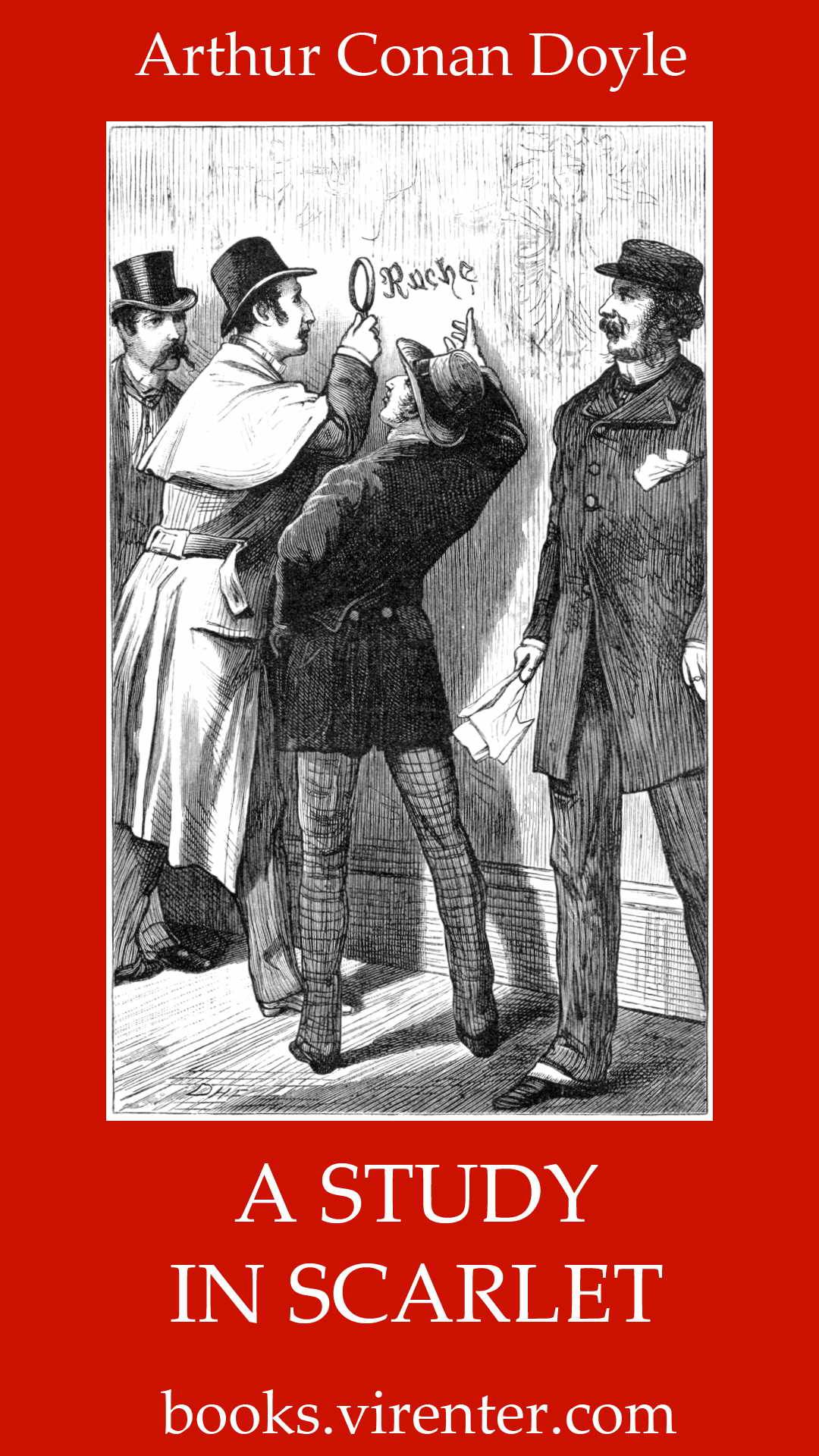
A Study in Scarlet by Arthur Conan Doyle: The First Sherlock Holmes Mystery
Introduction
A Study in Scarlet is the first novel by Sir Arthur Conan Doyle to feature the legendary detective Sherlock Holmes and his loyal companion Dr. John Watson. First published in 1887, the novel introduced one of literature's most iconic detective duos and laid the foundation for the modern detective genre. Combining mystery, suspense, and careful reasoning, A Study in Scarlet remains a timeless classic of Victorian fiction.
Historical Background
Written during the late Victorian era, A Study in Scarlet reflects a period when scientific discovery and forensic investigation were transforming criminal investigations. Arthur Conan Doyle, who had studied medicine, incorporated logical deduction and close observation into Sherlock Holmes's investigative methods, creating a detective unlike any previous literary character.
The novel also captures the atmosphere of nineteenth-century London, portraying its bustling streets, diverse population, and rapidly changing society. Its innovative approach to crime solving would influence generations of detective fiction writers.
Story Overview
The story begins when Dr. John Watson, recently returned from military service, meets the brilliant but eccentric Sherlock Holmes. Soon after becoming roommates at Baker Street, they are drawn into a mysterious murder investigation that appears impossible to solve.
As Holmes carefully examines clues overlooked by others, the investigation gradually uncovers a complex chain of events stretching far beyond London. Through observation, deduction, and scientific reasoning, the detective reveals the hidden connections behind the seemingly inexplicable crime.
Major Themes
A Study in Scarlet explores themes of justice, revenge, logic, friendship, and the pursuit of truth. Conan Doyle contrasts rational investigation with emotional motivation, demonstrating how careful analysis can uncover facts hidden beneath appearances.
The novel also introduces the enduring partnership between Holmes and Watson, highlighting the value of loyalty, trust, and complementary perspectives in solving difficult mysteries. Their friendship became one of the defining relationships in detective literature.
Literary Significance
A Study in Scarlet marked the debut of Sherlock Holmes, a character who would become one of the most recognizable figures in world literature. Holmes's method of deductive reasoning established a new standard for detective fiction and inspired countless novels, films, television series, and adaptations across many media.
As a public domain classic, the novel continues to attract readers with its compelling mystery, memorable characters, and innovative storytelling. It remains an essential work for anyone interested in classic detective fiction and Victorian literature.
Conclusion
A Study in Scarlet is a landmark detective novel that introduced Sherlock Holmes and forever changed the mystery genre. Through Arthur Conan Doyle's masterful storytelling, sharp characterization, and ingenious plot, the novel continues to captivate readers more than a century after its publication, securing its place among the greatest classics of detective literature.